
One of the most emotional phrases in a relationship is saying, “I love you.” When someone says this at the right time, it can create intimacy and closeness and can strengthen the connection.
When it’s said too early or too intensely, though, it can create pressure, imbalance, and awkwardness instead of closeness. Some people experience times when the relationship is easy and natural, and the attraction is steadily growing. Then out of nowhere, someone might say, “I love you,” and instead of it feeling romantic, it might feel overwhelming.
This doesn’t happen because the feelings aren’t there, but because emotional pacing matters in every relationship. Love develops best when intimacy slowly grows over time instead of being rushed.
Saying “I Love You” Too Early Can Be Overwhelming
In early dating, emotions can feel intense, and you might feel excitement, strong chemistry, closeness, physical attraction, vulnerability, and you might constantly think about your partner.
This happens because the emotions feel powerful, and sometimes people think that means love. But intensity and intimacy aren’t the same thing. According to Psychology Today on Early Relationship Chemistry, psychology shows that attraction, uncertainty, and dopamine activation during early dating can create emotional highs that feel consuming.
This is one reason early dating often feels euphoric and exciting. But the truth is that lasting love requires things like trust, safety, consistency, shared values, reliability, and a knowledge of your partner, and chemistry alone doesn’t give that.
Other Phrases Can Feel Meaningful
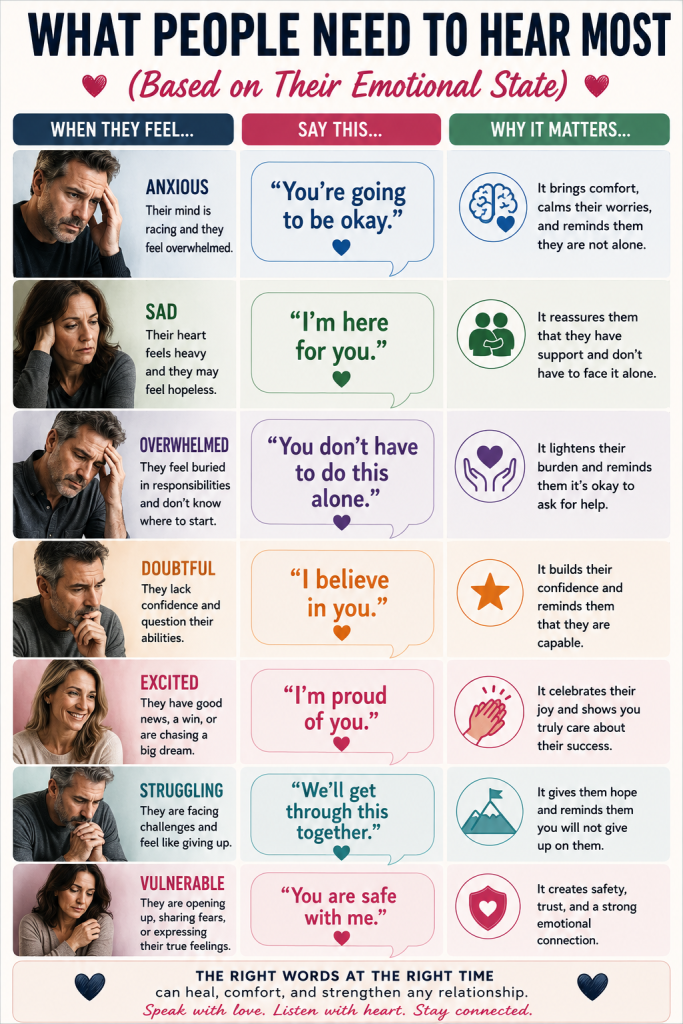
Emotionally healthy relationships get stronger not through just saying, “I love you,” but through small expressions that are intentional, such as saying things like:
- “I appreciate you.”
- “I feel safe with you.”
- “I love how you treat me.”
These things can feel more intimate than just saying “I love you,” because emotionally specific language can create more emotional clarity. Instead of just using broad phrases, you are saying what you feel, what you value, and how the relationship affects you emotionally. This creates a stronger intimacy as time goes on.
Emotional Timing Matters
Healthy relationships require emotional pacing, and if someone expresses love too intensely and too early, it can cause pressure, emotional overwhelm, anxiety, uncertainty, and imbalance.
This can happen especially if the other person isn’t in the same place at that time. This doesn’t mean that you shouldn’t express your feelings, but that you need to be careful with timing.
Healthy intimacy shouldn’t be rushed, and it should happen with vulnerability gradually growing, both people being equally invested, trust that is developed, and communication that feels safe.
20 Meaningful Things to Say Besides, “I Love You.”
Here are some meaningful ways to say, “I love you.”
1. “When I’m with you, I feel peaceful.”
One of the strongest signs of emotional intimacy is emotional safety. This phrase communicates things like:
- Comfort.
- Emotional trust.
- Calmness.
- Emotional grounding.
And honestly, healthy love often feels peaceful instead of emotionally chaotic.
2. “I feel happier since you came into my life.”
This expresses appreciation in a warm way without creating overwhelming emotional pressure. It communicates these things without forcing emotional reciprocity:
- Emotional impact.
- Gratitude.
- Connection.
- Warmth.
3. “I deeply care about you.”
This phrase feels emotionally honest and emotionally mature. It communicates affection clearly without emotionally rushing the relationship faster than it naturally needs to move.
4. “I feel emotionally safe with you.”
Emotional safety is one of the deepest forms of intimacy. Research consistently shows that emotional safety strongly affects relationship satisfaction, trust, and long-term bonding.
This phrase communicates deep emotional trust in a very meaningful way.
5. “I really admire the way you handle things.”
Admiration creates emotional closeness. People often bond deeply when they feel:
- Respected.
- Valued.
- Appreciated.
- Emotionally seen.
And this phrase focuses on character instead of only attraction.
6. “I love the direction this relationship is going.”
This communicates these things without creating pressure or making labels on the relationship too early:
- Optimism.
- Emotional investment.
- Intentionality.
7. “I feel really connected to you.”
Connection often matters more emotionally than dramatic declarations do. This phrase expresses intimacy while still feeling emotionally grounded and natural.
8. “You make me feel understood.”
Feeling emotionally understood is one of the strongest bonding experiences in relationships. A lot of people crave these things even more than dramatic romance:
- Emotional validation.
- Emotional understanding.
- Emotional attunement.
9. “I genuinely look forward to talking to you.”
This communicates in a simple but meaningful way how you feel:
- Emotional interest.
- Emotional consistency.
- Excitement.
- Emotional presence.
10. “I appreciate how you treat me.”
This communicates emotional gratitude while also reinforcing healthy relationship behavior positively. Research consistently links appreciation to stronger long-term relationship satisfaction.
11. “You bring a lot of peace into my life.”
A lot of people underestimate how emotionally attractive peace actually feels. Healthy love often creates these things instead of chaos:
- Calmness.
- Emotional security.
- Emotional steadiness.
12. “I feel like I can fully be myself around you.”
Authenticity is one of the biggest signs of emotional compatibility. When someone feels emotionally safe enough to stop performing and fully relax into themselves, intimacy naturally becomes deeper.
13. “I trust you.”
Trust is emotionally powerful because it communicates:
- Safety.
- Vulnerability.
- Emotional confidence.
And trust usually develops gradually through consistency and emotional reliability as time goes on.
14. “You make ordinary times feel special.”
Sometimes the healthiest love isn’t dramatic. Sometimes it’s simply feeling emotionally connected during everyday life. And honestly, that kind of connection often matters the most long-term.
15. “I’m really grateful we met.”
Gratitude strengthens emotional closeness while keeping communication grounded, sincere, and emotionally warm.
16. “I feel emotionally calm around you.”
A lot of people are used to a relationship feeling:
- Chaotic.
- Emotionally intense.
- Uncertain.
So emotional calmness can actually feel deeply healing, and this phrase highlights emotional security instead of emotional drama.
17. “I love learning more about you.”
This communicates:
- Curiosity.
- Emotional investment.
- Attentiveness.
Healthy relationships continue evolving because curiosity continues growing as time goes on.
18. “You matter to me.”
Saying this is simple, direct, and meaningful.
This phrase often carries huge emotional weight because it communicates emotional significance so clearly.
19. “I’m excited to keep building this connection.”
This focuses on these things without forcing a fast or premature commitment:
- Growth.
- Mutual effort.
- Emotional progression.
20. “Being with you feels easy in the best way.”
Healthy relationships often feel like this and shouldn’t be exhausting or confusing:
- Emotionally natural.
- Emotionally safe.
- Emotionally reciprocal.
And honestly, that kind of emotional ease usually shows real compatibility beautifully.
Emotional Languages Create Intimacy
One big relationship mistake that people make is relying on emotional communication. This kind of communication can make intimacy stronger because it helps your partner to understand what you value, how they impact you emotionally, and what makes you feel connected to them.
You might say, “I love how you make me feel emotionally safe,” and this will create more depth than just reassurance alone. This kind of communication can create more clarity.
Why People Have a Hard Time Expressing Their Feelings
Some people are afraid of being vulnerable, rejected, feeling like they are too much, or having an emotional imbalance. Because of this, they often suppress their feelings, or they overshare too fast.
Healthy emotional intimacy should involve slow vulnerability, honesty, emotional pacing, and attunement. This shouldn’t be about suppression or oversharing.
Emotional Safety Matters
Emotional intimacy isn’t about finding the perfect words but about creating experiences where both partners feel safe, understood, valued, and accepted. Words matter, but consistency matters even more.
Research shows that healthy long-term relationships get stronger through responsiveness, appreciation, communication, trust, safety, and consistency as time goes on.
Final Thoughts: Saying I Love You Is Important
Saying “I love you” is something that is meaningful, and love can be communicated before these words are said. It is communicated through consistency, attentiveness, affection, presence, and safety.
Sometimes the best thing you can say isn’t, “I love you,” but things like:
- “I feel safe with you.”
- “I appreciate you.”
- “I trust you.”
- “I love who I am around you.”
Real intimacy isn’t built through dramatic things but through intentional moments that tell your partner that they matter to you.
Frequently Asked Questions
1. What can I say instead of “I love you”?
You can say things like “I appreciate you,” “I’m here for you,” “I believe in you,” “I’m proud of you,” “I trust you,” or “You make my life better.” These phrases can feel deeply loving because they show support, care, and emotional presence.
2. Why should I say more than “I love you”?
“I love you” is meaningful, but different situations call for different words. Sometimes your partner may need reassurance, encouragement, gratitude, comfort, or appreciation more than a general expression of love.
3. What is the most meaningful phrase besides “I love you”?
One of the most meaningful phrases is “I’m here for you.” It shows emotional support, loyalty, and presence. For many people, feeling supported during difficult moments is one of the strongest signs of love.
4. What can I say when my partner is stressed?
When your partner is stressed, try saying, “You don’t have to handle this alone,” “I’m here with you,” or “Let’s take this one step at a time.” These words help them feel supported instead of pressured.
5. What can I say when my partner feels insecure?
You can say, “You are enough,” “I believe in you,” “I’m proud of who you are,” or “You don’t have to prove your worth to me.” Reassuring words can help your partner feel seen and accepted.
6. What can I say when my partner is sad?
When your partner is sad, say something simple and comforting like “I’m here for you,” “You don’t have to talk if you’re not ready,” or “You are not alone in this.” The goal is to offer comfort without forcing them to explain everything.
7. What can I say to make my partner feel appreciated?
You can say, “Thank you for everything you do,” “I notice your effort,” “You make my life easier,” or “I appreciate the way you care.” Appreciation helps your partner feel valued instead of taken for granted.
8. What can I say to show commitment?
To show commitment, say, “I choose you,” “I’m not going anywhere,” “We’ll figure this out together,” or “I want to keep growing with you.” These phrases help your partner feel secure in the relationship.
9. What can I say in a long-term relationship?
In a long-term relationship, meaningful phrases include “Thank you for choosing me,” “I still love being with you,” “I appreciate our life together,” and “I’m grateful for the way we keep growing.” Long-term love often needs steady reassurance.
10. What can I say in a new relationship?
In a new relationship, try saying, “I love getting to know you,” “I feel comfortable with you,” “I enjoy our time together,” or “You make me smile.” These phrases express affection without feeling too intense too soon.
11. What can I say instead of “I miss you”?
You can say, “I’ve been thinking about you,” “I wish you were here,” “My day feels better when we talk,” or “I can’t wait to see you.” These phrases express closeness and longing in a warm, natural way.
12. What can I say instead of “I care about you”?
You can say, “Your happiness matters to me,” “I want you to be okay,” “I’m thinking about what you need,” or “Your feelings matter to me.” These words show care in a more personal and specific way.
13. What can I text instead of “I love you”?
You can text, “Drive safe,” “Text me when you get home,” “I’m proud of you,” “You’ve got this,” “I’m thinking of you,” or “I hope your day gets easier.” Small everyday texts can feel very loving.
14. What words make someone feel emotionally safe?
Phrases like “You can be honest with me,” “Your feelings are safe here,” “I’m listening,” and “You don’t have to hide how you feel” can help someone feel emotionally safe and accepted.
15. What can I say after an argument?
After an argument, you can say, “I still care about us,” “I want to understand you better,” “I’m sorry for my part,” or “Let’s work through this calmly.” These words help repair connection without ignoring the issue.
16. What can I say when my partner is excited?
When your partner is excited, say, “I’m so proud of you,” “You deserve this,” “I love seeing you happy,” or “Tell me everything.” Celebrating their joy shows that you care about their wins, not just their struggles.
17. What can I say when my partner is overwhelmed?
When your partner feels overwhelmed, try saying, “You don’t have to do this alone,” “What can I take off your plate?” or “Let’s slow down and handle one thing at a time.” Supportive words can reduce emotional pressure.
18. What can I say to rebuild emotional connection?
You can say, “I want to feel close to you again,” “I miss our connection,” “I’m willing to listen,” or “You matter to me.” Honest, gentle words can open the door to reconnection.
19. Are actions more important than saying “I love you”?
Words and actions both matter. Loving words can offer reassurance, but they are strongest when supported by consistent behavior, respect, patience, honesty, and emotional presence.
20. How often should I say loving things to my partner?
There is no exact rule, but loving words should feel natural and consistent. Small daily phrases of appreciation, support, and affection can help keep emotional connection strong over time.
